
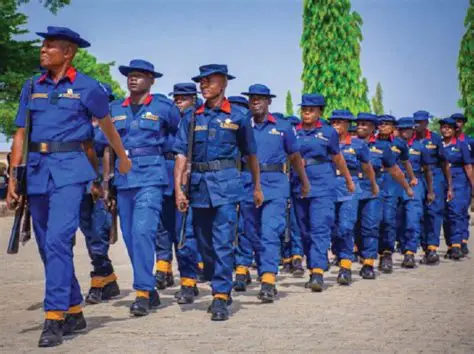
The NSCDC training allowance 2026/2027 is one of the most searched topics among applicants preparing for the Nigeria Security and Civil Defence Corps recruitment exercise. After successful screening and selection, recruits undergo compulsory paramilitary training before being deployed for official duties. This guide explains the estimated training allowance, training duration, camp activities, and what recruits should expect during the training programme.
Table of Contents
ToggleTraining Summary
| Details | Information |
|---|---|
| Agency | Nigeria Security and Civil Defence Corps (NSCDC) |
| Programme | Basic Recruit Training |
| Salary Structure | CONPASS |
| Estimated Training Allowance | Depends on cadre |
| Training Duration | Varies by cadre |
| Employment Status | Trainee |
Does NSCDC Pay Training Allowance?
Yes. Successful recruits are usually paid a training allowance during the training programme. The allowance is intended to assist trainees with basic personal expenses before they begin receiving their full monthly salary after passing out.
The amount paid may vary depending on the recruitment category and any government-approved adjustments.
Estimated NSCDC Training Allowance 2026/2027
| Cadre | Estimated Monthly Allowance |
|---|---|
| Assistant Cadre (SSCE) | ₦20,000 to ₦25,000 |
| Inspectorate Cadre (ND/NCE) | ₦25,000 to ₦35,000 |
| Superintendent Cadre (HND/B.Sc) | ₦35,000 to ₦45,000 |
These figures are estimates and may be adjusted by the Federal Government.
NSCDC Training Duration
The duration of training depends on the cadre of successful applicants.
| Cadre | Estimated Training Period |
|---|---|
| Assistant Cadre | 2 to 3 months |
| Inspectorate Cadre | 4 to 5 months |
| Superintendent Cadre | 5 to 6 months |
Training schedules may vary depending on operational requirements and official directives.
What to Expect During NSCDC Training
Training prepares recruits for professional service through both classroom instruction and practical exercises.
Activities commonly include:
- Physical fitness drills
- Parade exercises
- Leadership and discipline training
- Disaster management
- Fire safety
- First aid
- Crowd control
- Communication skills
- National security awareness
- Basic operational procedures
Camp Rules
During training, recruits are expected to:
- Obey all lawful instructions.
- Maintain discipline at all times.
- Attend all training sessions.
- Wear approved uniforms.
- Respect fellow trainees and instructors.
- Follow camp regulations throughout the programme.
After Training
Successful recruits participate in a Passing Out Parade (POP) after completing the training programme.
Following the ceremony, officers are deployed to various commands across the country where they begin their official duties and receive their regular salary and allowances.
Read Also: UPDF Recruitment 2026 Application Portal | Requirements, Vacancies & How to Apply
Frequently Asked Questions
Does NSCDC pay trainees during training?
Yes. Successful recruits generally receive a monthly training allowance throughout the programme.
How long is NSCDC training?
Training usually lasts between 2 and 6 months, depending on the recruitment cadre.
Is accommodation provided?
Yes. Accommodation is typically provided at the approved training camp.
When do recruits start receiving full salary?
Successful recruits begin receiving their full salary after completing training and being officially deployed.
Is NSCDC training compulsory?
Yes. Every successful applicant must complete the mandatory training programme before appointment into the Corps.
Conclusion
The NSCDC training allowance 2026/2027 provides financial support for recruits while they complete compulsory paramilitary training. Although the allowance varies by cadre, successful trainees receive accommodation, structured training, and practical experience before joining the Corps as full officers. Applicants should prepare physically, mentally, and academically to make the most of the training programme.
Be the first to comment